The Akita Dog Hachiko Waiting at Shibuya Station Every Day
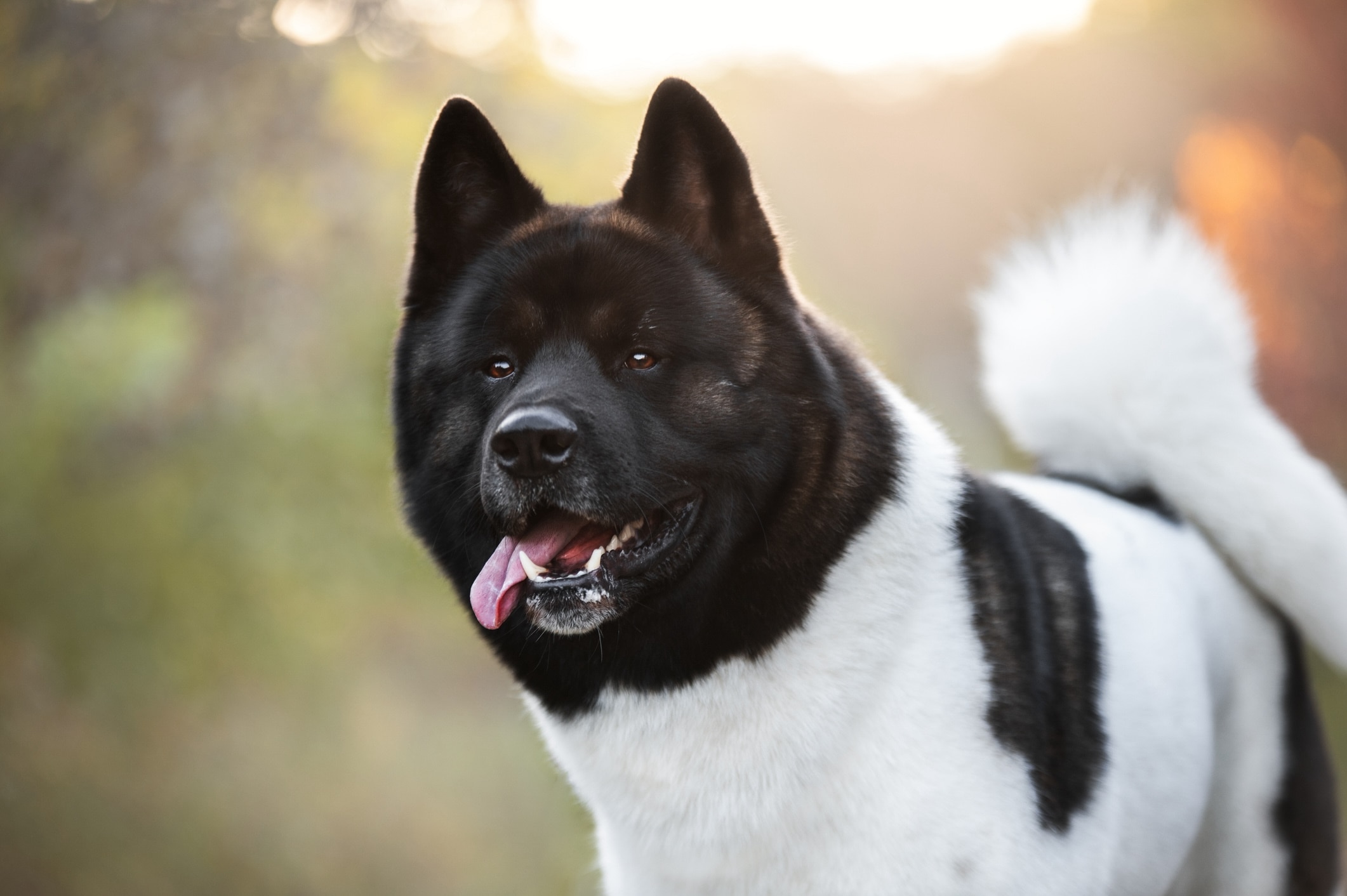
An Akita dog named Hachiko walked to Shibuya Station in Tokyo every single afternoon for ten years, waiting for his dead owner to step off the train. He did not care about the rain, the freezing snow, or the angry people who pushed him away. He just took his spot on the concrete platform, watched the train doors open at 3:00 PM, and looked for one face.
Hidesaburo Ueno was a professor at Tokyo Imperial University who adopted the white puppy in 1924. They formed a tight bond that changed Japanese history forever. When the professor died suddenly at work in 1925, the loyal pet kept going back to the train stop anyway, waiting over 3,000 days until his own death in 1935. It remains one of the most famous true stories about love and devotion ever recorded.
How a Tokyo Professor and a Puppy Built an Unbreakable Bond
Professor Hidesaburo Ueno brought the small golden-white pup to Tokyo by train in early 1924. The dog was weak from the long trip, so Ueno brought him inside his house to sleep under his own bed. He named the puppy Hachiko. The word comes from the Japanese number eight, which is considered a lucky symbol.
Every morning, the professor walked from his house in the Shibuya neighborhood to the local train station. Hachiko walked right next to him, wagging his tail. Then the professor bought his ticket, patted the pup on the head, and got on the train to teach his university classes. Every afternoon at exactly 3:00 PM, Hachiko walked back to the station by himself. He sat by the entrance and watched the crowd until Ueno stepped off the train. They always walked home together.
Neighbors saw this happen every single day for over a year. The puppy did not need a watch or a clock. He knew the exact sound of the afternoon train arriving. People living near the tracks loved watching the smart dog sit quietly by the wooden doors, waiting for his favorite human.

The Sad Afternoon When the Train Came Back Empty
On May 21, 1925, everything changed in a single second. Professor Ueno was giving a lecture to his engineering students at the university when he collapsed from a cerebral hemorrhage. He died right there in the classroom. He was only 53 years old, and he never made it back to the train station that afternoon.
Down at Shibuya Station, Hachiko sat by the doors just like he always did. The clock hit 3:00 PM. The train pulled into the station, and hundreds of commuters stepped out into the streets. Hachiko searched every pair of shoes and every coat. His master never came out. The dog stayed there until night fell, watching the light fade over the wooden buildings of old Tokyo.
Relatives of the professor tried to give the pet to new homes outside the city. They sent him to live with a gardener named Kikuzaburo Kobayashi. But Hachiko kept escaping from the yard. He ran for miles back to Ueno's old house, and when he did not find him there, he ran straight to the train platform. He knew that was the last place he had ever seen his friend alive.
Ten Years of Cold Winters, Hot Summers, and Rude Strangers
For the next nine years, nine months, and fifteen days, Hachiko showed up at Shibuya Station every single day. He spent his days sleeping under small wooden carts or resting near the tracks. He was always back near the main gate right before 3:00 PM, ready for the evening crowd to pour out of the wooden train cars.
It was not an easy life for the animal. In the early years, station workers and commuters did not understand what he was doing. Some thought he was just a dirty stray dog trying to steal food from the market stalls. People yelled at him, threw dirty water on his thick coat, and pushed him off the warm concrete. Boys painted his face with ink while he slept. Yet he never bit anyone, and he never stopped showing up.
During the icy winter months in Tokyo, snow fell heavy on his ears, but he stayed sitting near the doorway. You can read incredible reports about devotion in this Human-interest story archive that detail how animals show deep memory. To keep his spirits up while reading about such classic cases, many people check out the AI Mammography Screening Shows Results and Regulation Gaps update to see how modern science helps save lives every day.
He survived on leftover bits of fried fish and rice dropped by kind strangers. One of his ears drooped down completely because another stray dog bit him in a fight near the tracks. He grew old, grey, and stiff, but his routine never wavered for a single afternoon.
How One Newspaper Article Changed Everything for Hachiko
In 1932, a student named Hirokichi Saito spotted the aging Akita sitting near the ticket gates. Saito had studied the rare Japanese Akita dog breed for years, and he realized this specific pet was quite special. He followed the animal from the station back to the home of Ueno's former gardener. There, he learned the whole heartbreaking story of the ten-year wait.
Saito wrote an article about the loyal pet and sent it to Tokyo's biggest newspaper, Asahi Shimbun. The story printed on October 4, 1932, under a headline that called Hachiko the ultimate example of true loyalty. Overnight, the quiet station dog became a national icon. People from all over Japan boarded trains just to travel to Shibuya and hand him meat, pet his soft head, or take photos with him.
Station workers changed their attitude completely. They cleaned his fur, built him a soft sleeping area inside the station master's office during bad storms, and protected him from mean strangers. People sent money and letters to the station from distant corners of the world. Readers loved following these events, much like fans who read creative AI garden storytelling ideas for great entertainment online.
In April 1934, artists built a grand bronze statue of Hachiko right outside the station doors. Hachiko himself sat beside the mayor and hundreds of fans during the unveiling ceremony. He was still alive, sitting right next to a metal statue of himself, still waiting for his best friend to step off the afternoon train.
Why Did the Dog Keep Waiting at Shibuya Station?
Why do dogs show this kind of deep loyalty even when years go by? Scientists and dog experts have looked at Hachiko's life to understand how canine memory works. Dogs form strong habits based on smells, locations, and daily routines that do not fade easily over time.
- Daily Schedule: Dogs have a strong internal clock. Hachiko knew the 3:00 PM train brought joy for a long time, so that temporal habit became permanent.
- Scent Association: Train stations are full of thousands of human scents. Hachiko kept searching for that one familiar smell that meant safety and warmth.
- Emotional Connection: Akita dogs are famous for selecting one main person in their family and staying deeply attached to them for life.
Even when his health began to fail in early 1935, his daily walk to the train never stopped. He dragged his heavy paws through the mud, moving slower each week, but he refused to stay home. You can learn more about how creatures adapt to harsh conditions in this page on Survival skills across nature.
People kept sharing his story across generations through traditional Oral history traditions passed down by Tokyo families. If you enjoy reading about amazing real-world events, you might also like the AI Mammography Screening Shows Results and Regulation Gaps article for more modern facts. The bond between humans and pets remains one of the strongest forces on Earth.
The Final Journey of Japan's Most Faithful Dog
On March 8, 1935, workers found Hachiko lying motionless on a quiet side street near Shibuya Station. He was eleven years old. Doctors later found that he had severe heartworms and terminal cancer. He had walked toward his favorite waiting spot one last time before resting his head on the cold pavement to sleep forever.
His death made front-page news across Japan. Shibuya Station fell quiet as hundreds of grieving citizens filled the square with fresh flowers, white candles, and hand-written letters. Monks held a public funeral for the dog right on the train platform where he spent his life. Women wept openly in the streets while train conductors bowed low to honor the faithful animal.
Today, the bronze statue of Hachiko stands tall at Shibuya Station exit number 8, known to millions of travelers as the Hachiko Exit. It is the most popular meeting spot in all of Tokyo. Millions of people stand beside the bronze dog every year, waiting to meet their friends, lovers, and family members. He never got to see his master walk out of those train doors again, but he taught the whole world what it really means to stay true to someone you love.
Next time you say goodbye to your pet before heading out the door, take an extra second to pat their head. Have you ever known a pet with that kind of deep loyalty?