AI Mammography Screening Shows Results and Regulation Gaps
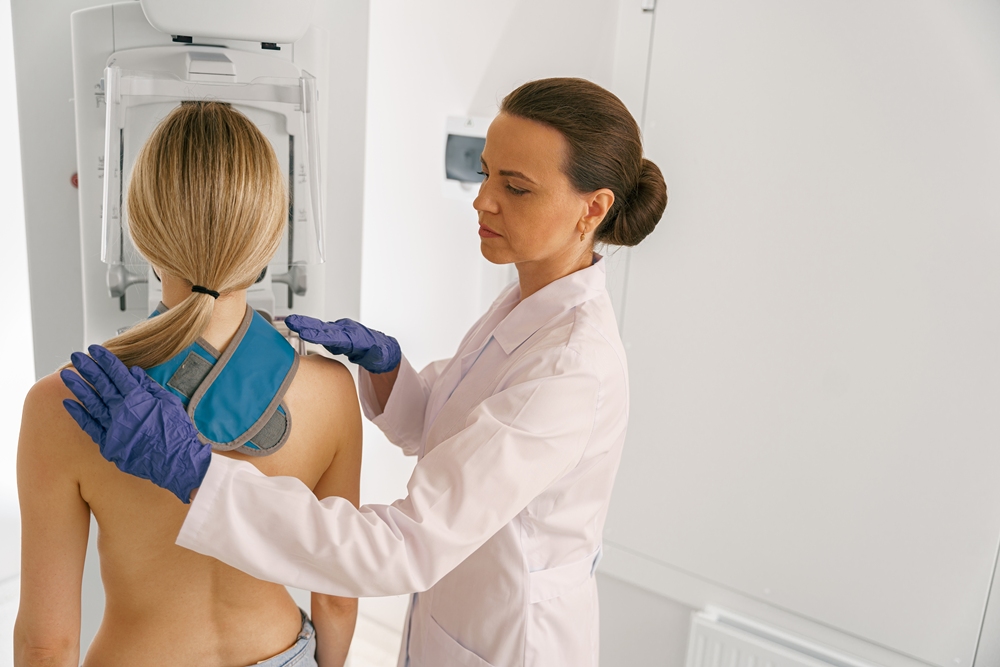
New medical evidence looks at AI support in mammography screening through the MASAI trial. The findings show how computer tools help doctors read scans while also pointing out big gaps in device rules. Experts want to make sure the software is safe before clinics use it everywhere.
What is AI support in mammography screening?
Modern clinics use artificial intelligence to help scan x-ray images of breast tissue. These tools look for tiny spots or patterns that human eyes might miss during a busy day. Radiologists still review the images, but the computer acts as an extra set of eyes.
The MASAI trial, which stands for Mammography Screening with Artificial Intelligence, tested this setup in real clinics. It gathered clear facts on whether computer support helps doctors work faster without missing cancer cases. Finding signs of illness early helps patients get care much sooner.
Why device rules need to catch up
Even when tests show good results, health agencies face tricky challenges with software. Many medical rules were made for physical tools like needles or machines, not for lines of computer code. Stronger regulation of artificial intelligence is needed so that every hospital tool meets high safety benchmarks.
When software updates arrive, they can change how a tool works on patient data. Regulators must make sure that new updates do not lower accuracy over time. Clear guidelines protect patients and give doctors more trust in the digital tools they use every day.
- Computer programs help doctors find early signs of disease on scans.
- The MASAI trial gives real data on how well these tools perform.
- Current medical device rules have clear gaps for software updates.
- Safe standards ensure that every clinic gets reliable results.
What this means for ordinary patients
If you visit a clinic for routine checks, this technology could soon touch your care. Having computer tools assist doctors can shorten the time people wait for their results. Faster answers reduce stress for families who are waiting on important health news.
At the same time, strong safety rules keep mistakes from slipping past doctors. Patients get the best care when smart computers and trained doctors work together as a team. Watching how health officials update these rules will be key for the future of clinic visits.